|
Duck Tech - Cross Wind Strategy
|
|
|
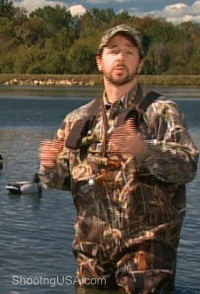
99% of the ducks or geese you get into your decoys, are going to come in, directly into the wind. So the ideal setup is with your back to the wind and the birds come straight at you. Now sometimes because of cover, and field setup situations, you can’t have your back to the wind scenario, so here’s what you do to adjust.
|
|
|
|
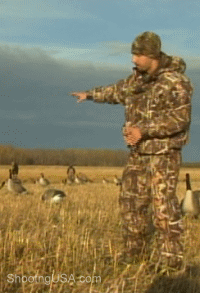
This bare field has no cover. Even in a layout blind, there is no chance to stay hidden out here. The best chance for success is to move into this stand of wild grass, but the wind is blowing across the open field, from our right to left.
Decoy placement is critical to make this setup successful.
|
|
|
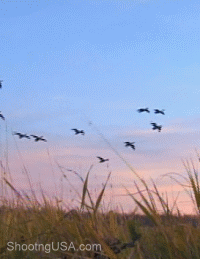
Here’s how we made it work. If you look down my right we’ve run our geese along here, brought them through here, and then we wrapped them back out this way in the form of a U.
We’re bringing the geese right down the pipe, right down the middle. We’ve left this open to give them a nice big wide strip to want to land in. As you can see it’s working very well.
This setup turns the decoy spread into a funnel. Geese ride the strong wind into the two legs of the decoys wanting to land in the open field. In this setup, keep calling right up to taking the shot. Geese will always come to the call and calling helps prevent bunches from drifting out away from the inside of the U.
|
|
|
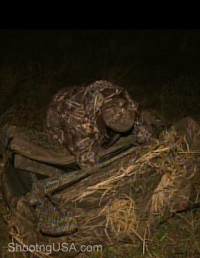
It’s worth pointing out another detail that makes this hunt successful, properly hiding the layout blinds before the hunt.
|
|
|
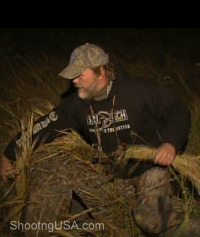
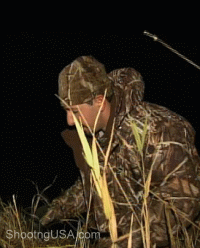
The 30-mile per hour wind adds another element to the camouflage. I’m getting the last bit of grass on these layout blinds and it’s real important when you’re covering these. We have a really strong wind today and the grass is blowing, so get the tops of these layouts blinds up so they can rustle in the wind, too. It will help you hide that much better. If you’re the only thing sitting there not moving you’re going to standout.
So get that grass up high in places. We’ll flare it up, get some wind through it, get some breeze through it, to help hide that much more. Pay attention to the first bunch of Geese in the morning. They’ll let you know if you have it right.
|
|
|
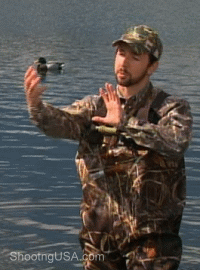
Hunting a cross wind is not ideal, but get your decoys in the right formation and you will make it work. I’ve found a lot of guys don’t like to hunt a cross wind and I understand it’s hard to give up on that perfect bird coming right at you, bird-in-your-face shot, but you can’t give up the cover. That’s why you need to make the choice to hunt a cross wind. As you saw, our shots were still at great killing distance, only about 35 yards at the farthest. And that’s this weeks Duck Tech tip.
CLICK HERE FOR PRINTER-FRIENDLY VERSION
|
|
|


